
Nov 13, 2026
Waterproof UV Lamp End Caps and Cable Glands: OEM Buyer Guide
Compare UV lamp end caps, cable glands and sleeve seals. Check cable diameter, threads, exposure conditions and assembly protection before OEM purchasing.
A waterproof UV lamp inquiry often starts with a photograph of a black end cap or a threaded cable fitting. That photograph rarely defines the complete requirement. A protective lamp cap, an electrical connector, a quartz-sleeve seal and a cable gland perform different jobs, even when they sit close together in the same assembly.
For equipment manufacturers and replacement-part buyers, the practical task is to match each interface and confirm which assembled configuration has supporting protection data. This guide explains what to ask before purchasing waterproof UV lamp end caps and cable glands. It is a sourcing checklist, not an electrical installation procedure.
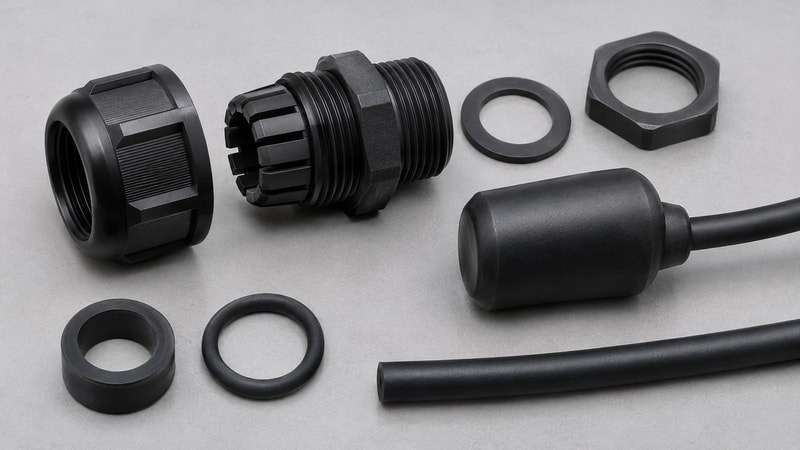
Separate the Lamp Connection From the Water Seal
Start by identifying the component in the drawing. The term waterproof end cap may describe a protective cover over a lamp connection, part of a sealed lamp assembly or a fitting around a quartz sleeve. Those descriptions are not interchangeable.
| Component | Interface to identify | Evidence to request |
|---|---|---|
| Lamp holder or connector | Lamp base, pin arrangement and electrical connection | Approved lamp match and applicable electrical specification |
| Protective end cap | Cover-to-body fit and any cable exit or sealing features | Drawing, materials and the configuration covered by protection testing |
| Cable gland | Cable jacket and enclosure or end-cap entry | Cable clamping range, mounting details and installation conditions |
| Sleeve seal or gland | Quartz sleeve and reactor or immersion-assembly body | Approved sleeve dimensions, sealing arrangement and relevant service limits |
Use the UV lamp accessories range to organize a component inquiry. If you need a replacement for an existing assembly, send the full assembly photograph as well as close-ups. A similar cover shape does not establish that the internal connector or sealing arrangement is the same.
Define What Waterproof Means in Your Application
Tell the supplier whether the part will encounter occasional splashes, condensation, cleaning spray or immersion. Include the intended installation position, temperature, cleaning chemicals and any pressure or immersion conditions that apply. Ask which conditions are covered by the proposed part’s documentation rather than relying on the word waterproof alone.
A protection claim for a cable-entry component should not be copied into a claim for the complete UV lamp assembly. Request the report or technical documentation that identifies the tested configuration, mating components and conditions. For an immersion application, explicitly confirm depth, duration and installation restrictions for the complete proposed assembly.
The submersible UV lamp selection guide addresses the broader assembly. Keep that review separate from selecting a gland for an enclosure that remains outside the water.
Match the Cable Jacket, Not Just the Thread Size
Two dimensions matter in a cable-gland inquiry: the mounting thread and the range of cable outside diameters that the insert can seal around. Do not use the thread designation as a substitute for the cable measurement.
For example, the HellermannTyton NG12 product specification separately lists an M12 thread and a cable-size range of 3-6.5 mm. This is an example of how a manufacturer specifies a particular component, not a recommended gland for every UV lamp or evidence of a BIOSUN assembly rating.
Provide the Actual Cable Information
Send the cable outside diameter and its tolerance, jacket material, cross-sectional shape and any manufacturer restrictions relevant to the connection. Identify whether a connector is already fitted to the cable. That can change the cable-entry design needed for assembly, but it does not justify cutting off a connector or modifying an approved cable.
Confirm whether the proposal is for one round cable, multiple cables or a purpose-designed entry arrangement. Ask for the matching insert or seal reference. Do not assume that several separate leads can replace the jacketed cable specified for a particular gland.
Confirm the Mounting Interface and Complete Parts List
Record the thread standard, size, pitch, usable thread length, panel or cap thickness and mounting-hole details from the approved drawing. Identify the washer, gasket, locknut and any adapters included in the quotation. If the entry screws into a threaded body, ask how that interface is sealed in the documented configuration.
As another component-specific example, icotek’s cable-gland overview distinguishes different product families, cable ranges, sealing arrangements and protection ratings. The purchasing lesson is to keep the exact gland and sealing-element references together. A family name or a photograph is not a complete assembly specification.
For the lamp side, confirm the approved base and connector match using the UV lamp holders, caps and connectors guide. Thread fit on the outside does not establish the pin arrangement inside.
Check Material Suitability for the Actual Exposure
Ask the supplier to assess the proposed cap, cable jacket and seals against the service environment. State whether these materials will be exposed to the UV source, heat, ozone where applicable, treatment water or cleaning agents. A general outdoor-weathering description does not answer a request for compatibility with your specific lamp spectrum and installation.
For sleeve-related seals, review the quartz sleeve O-ring and seal selection guide. Keep the approved material, dimensions and service conditions in the parts record. Do not choose a replacement seal solely by color or by how closely it resembles the old part.
Review Cable Support and Maintenance Access
Discuss how the cable is supported during normal operation and servicing. Ask what strain-relief function is provided by the selected entry component and whether additional support is required in the equipment. Obtain the manufacturer’s assembly instructions, including any specified tightening method or torque. Do not improvise a universal torque value across plastic caps, metal glands and glass-related fittings.
Include space to reach the cap or connector and remove the lamp without pulling on the cable. Where the cable length or connection arrangement changes, confirm the proposed configuration with the UV electronic ballast and lamp pairing. A waterproof fitting does not establish that a cable extension is electrically suitable.
Agree a Sample Acceptance Plan Before Batch Supply
For a new configuration, agree which sample checks will establish fit and which qualified tests will support the requested protection and electrical requirements. Identify the exact cable, end cap, gland, seals and mating body used for evaluation. Record the drawing revision, instructions and acceptance criteria before interpreting the results.
The UV lamp sample approval workflow can help organize the record. A visual fit check is not a substitute for protection testing, and a test on one configuration should not silently cover later changes to the cable or seal.
Do not perform improvised energized immersion tests. Have qualified personnel use the relevant approved procedures and safety controls for the finished equipment. Keep component documentation separate from the assessment of the complete machine.
What to Include in a Waterproof UV Lamp Parts Inquiry
- Equipment application and a full assembly photograph
- Lamp model, base photographs and connector details
- End-cap drawing and mating-body dimensions
- Cable outside diameter, jacket material and connector status
- Thread and mounting-hole details, with panel or cap thickness
- Water exposure, temperature, chemicals and any immersion requirements
- Required protection documentation and target-market requirements
- Sample quantity, order forecast and the parts included in the supply scope
Send the information through the BIOSUN UV component inquiry page. Ask for a model-specific review of the lamp connection, protective cap, cable entry and sealing parts. The goal is an approved configuration with clear responsibilities, not a collection of individually described waterproof components.