7 月 10, 2026
Ozone-Free vs Ozone-Generating UVC Lamps: Buyer Selection Guide
Compare ozone-free and ozone-generating UVC lamps by wavelength, application, safety design, ballast matching and replacement requirements for B2B sourcing.
Ozone-free and ozone-generating UVC lamps can look similar from the outside, but they are used for different disinfection goals, equipment structures and safety requirements. For B2B buyers, choosing the wrong lamp type may lead to poor treatment results, odor complaints, unsafe indoor use or mismatched replacement parts.
This guide explains how overseas buyers, distributors, maintenance teams and OEM equipment manufacturers can compare ozone-free UVC lamps and ozone-generating UVC lamps before sending an inquiry.
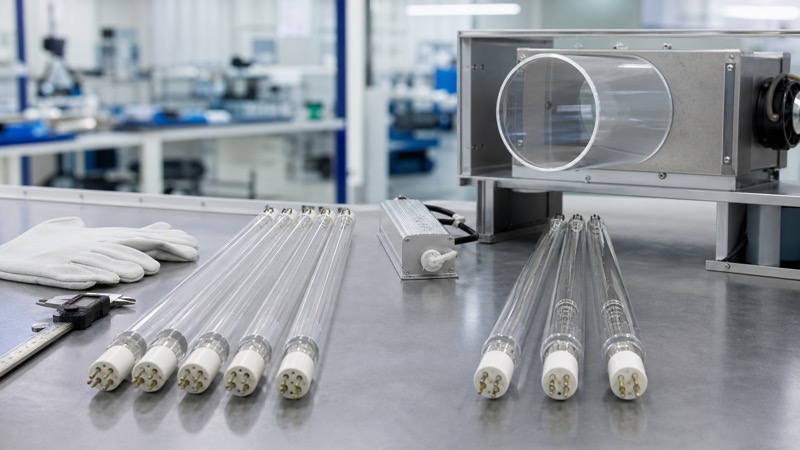
Quick Answer: When Should Buyers Choose Ozone-Free or Ozone-Generating UVC Lamps?
Choose ozone-free UVC lamps when the equipment is used in occupied spaces, appliance disinfection, air purifiers, HVAC modules or applications where residual ozone is not desired. Choose ozone-generating UVC lamps only when the equipment is specifically designed for ozone treatment, with proper sealing, ventilation, timing control and safety instructions.
| Lamp Type | Typical Use | Buyer Checkpoint |
|---|---|---|
| Ozone-free UVC lamp | Air purification, water sterilization, appliances and enclosed disinfection systems. | Confirm 254 nm lamp type, lamp size, ballast and installation safety. |
| Ozone-generating UVC lamp | Odor treatment, oxidation, some special air or surface treatment systems. | Confirm 185/254 nm requirement, ozone control, timing and ventilation design. |
| Replacement project | Existing equipment maintenance or distributor stock. | Match the old lamp marking, wavelength, base, length and ballast. |
| OEM project | New equipment development or customized module design. | Review lamp, ballast, structure and safety instructions together. |
1. Understand the Difference in Wavelength
Many germicidal lamp applications use 254 nm UV-C output. These lamps are commonly used in water sterilization, air disinfection and surface treatment equipment. Ozone-generating lamps include 185 nm output, which can produce ozone for oxidation and odor treatment.
For purchasing, do not judge the lamp only by appearance. A lamp with similar length, base and wattage may have a different wavelength specification. When replacing a lamp, compare the old lamp code with BIOSUN UV germicidal lamp tubes or send photos for model confirmation.
2. Choose Ozone-Free Lamps for Indoor and Appliance Projects
Ozone-free lamps are usually the safer starting point for equipment used near people, pets or regular working environments. Examples include air purifiers, HVAC modules, refrigerator disinfection, washing machine modules, dishwasher systems and many enclosed appliance applications.
For appliance and air disinfection projects, buyers should also review module structure, shielding and airflow path. BIOSUN supports air-related projects through UV lamp application solutions and can help review whether the lamp type fits the equipment design.
3. Use Ozone-Generating Lamps Only With Proper Equipment Design
Ozone-generating lamps are not a simple upgrade from ozone-free lamps. They are used when ozone treatment is part of the design goal, such as odor control or oxidation in a controlled chamber. The equipment should include proper sealing, timing, ventilation and user instructions.
Buyers should avoid replacing an ozone-free lamp with an ozone-generating lamp unless the equipment manufacturer confirms the system is designed for it. For maintenance projects, the safest route is to match the original lamp marking and technical specification.
4. Match Lamp Type With Ballast and Electrical Design
The lamp and ballast should be reviewed as one system. A replacement lamp with the correct wavelength but wrong wattage, base wiring or ballast requirement may fail to start, flicker or have shortened service life.
When sending an inquiry, include the ballast label, input voltage and wiring photos. BIOSUN can help compare the lamp with UV electronic ballasts and related accessories for replacement or OEM projects.
5. Check Quartz Sleeve and Material Compatibility for Water Systems
Water sterilizer systems usually place the UVC lamp inside a quartz sleeve. For these applications, buyers should confirm lamp length, tube diameter, quartz sleeve fit and sealing parts together. The wrong lamp type or sleeve fit can reduce UV transmission or create installation problems.
If the project involves water treatment maintenance, review quartz sleeves and O-rings at the same time as the lamp. This helps reduce downtime and prevents separate shipments for small but critical parts.
6. Replacement Buyers Should Send the Old Lamp Marking
For replacement orders, the old lamp marking is the fastest way to avoid mismatch. If the label is unclear, send clear photos of both lamp ends, total length, tube diameter, base type, wattage, wavelength information and the equipment model.
BIOSUN also provides replacement UVC lamps for buyers who need model matching support. For maintenance planning, combine lamps with holders, connectors, O-rings and other UV lamp accessories.
7. OEM Buyers Should Decide the Lamp Type Early
For OEM and ODM projects, wavelength should be decided before sample production. The choice affects lamp glass, safety design, module layout, instructions, packaging and sometimes certification planning. Changing between ozone-free and ozone-generating lamps late in development can delay sampling and testing.
OEM buyers can prepare application details, drawings, voltage requirements, quantity forecasts and target market information before contacting BIOSUN. The BIOSUN service page explains how customization and technical matching support can fit into a sourcing project.
8. Buyer Checklist Before Sending an Inquiry
- Application: water, air, surface, appliance, odor treatment or OEM module
- Required lamp type: ozone-free 254 nm or ozone-generating 185/254 nm
- Old lamp code, lamp photos and equipment model for replacement projects
- Total length, tube diameter, wattage and base type
- Ballast label, voltage and wiring photos
- Quartz sleeve, O-ring or accessory requirements
- Quantity, destination country and whether the project is for maintenance, distributor stock or OEM production
Common Questions About Ozone-Free and Ozone-Generating UVC Lamps
Can an ozone-generating lamp replace an ozone-free lamp?
Not normally. The equipment must be designed for ozone generation, control and ventilation. For replacement maintenance, match the original lamp type unless the equipment manufacturer confirms a different design.
Is ozone-free always better?
No. Ozone-free lamps are often preferred for indoor and appliance projects, but ozone-generating lamps can be useful in controlled oxidation or odor treatment systems. The correct choice depends on the application and safety design.
What if the old lamp label does not show wavelength?
Send lamp photos, equipment information and any old purchasing records. BIOSUN can help narrow the model range and recommend what details to confirm before ordering.
Summary
Ozone-free and ozone-generating UVC lamps should be selected by application, wavelength, equipment design, safety requirements and replacement compatibility. Buyers should confirm lamp marking, ballast, base, dimensions and system structure before placing an order.
For model matching support, send your lamp photos, drawings or specification list through the BIOSUN inquiry page. BIOSUN can help review ozone-free and ozone-generating UVC lamp options for replacement, maintenance and OEM projects.
Need a UV lamp quotation?
Send your model list to Baiousen and we will review the lamp matching details by email.
Send Inquiry