6 月 30, 2026
Amalgam UV Lamp Selection Guide for High-Flow Water Treatment Systems
Learn how B2B buyers select amalgam UV lamps for high-flow water treatment systems by lamp power, quartz sleeve, ballast, reactor size and maintenance requirements.
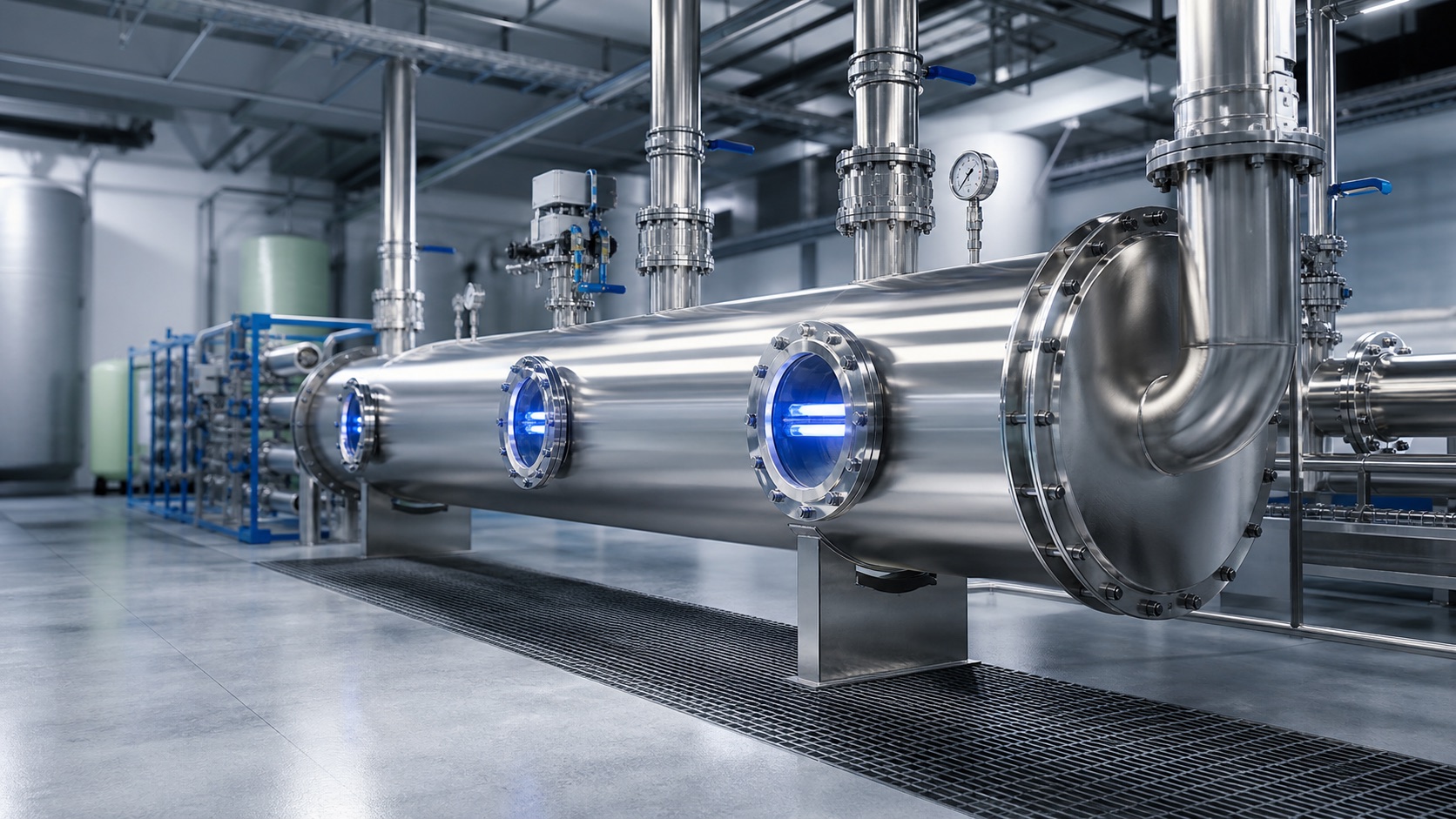
Amalgam UV lamps are commonly used when a water treatment system needs stronger UV output, compact reactor design and stable disinfection performance under continuous operation. Compared with standard low-pressure UV lamps, an amalgam UV lamp can provide higher power density, making it suitable for municipal water, industrial process water, aquaculture, beverage production and large commercial sterilization equipment.
When Should Buyers Choose an Amalgam UV Lamp?
For small sterilizers or household systems, standard UV germicidal lamp tubes may be enough. Amalgam lamps are usually selected when the system has higher water flow, limited reactor space, longer daily operating hours or stricter disinfection targets.
They are especially useful in high-flow UV reactors where fewer lamps are preferred to reduce maintenance work and simplify the electrical layout.
Key Parameters to Confirm Before Ordering
Before requesting a quotation, buyers should confirm lamp wattage, total length, arc length, tube diameter, base type, operating current and cable or connector requirements. If the lamp is used inside an existing reactor, the matching quartz sleeve size is also important because sleeve diameter and wall thickness affect installation compatibility.
For replacement projects, buyers can send the old lamp model, lamp photo, end-cap photo, reactor nameplate and sleeve dimensions. BIOSUN can help compare these details with available replacement UVC lamp options.
Ballast Matching Is Critical
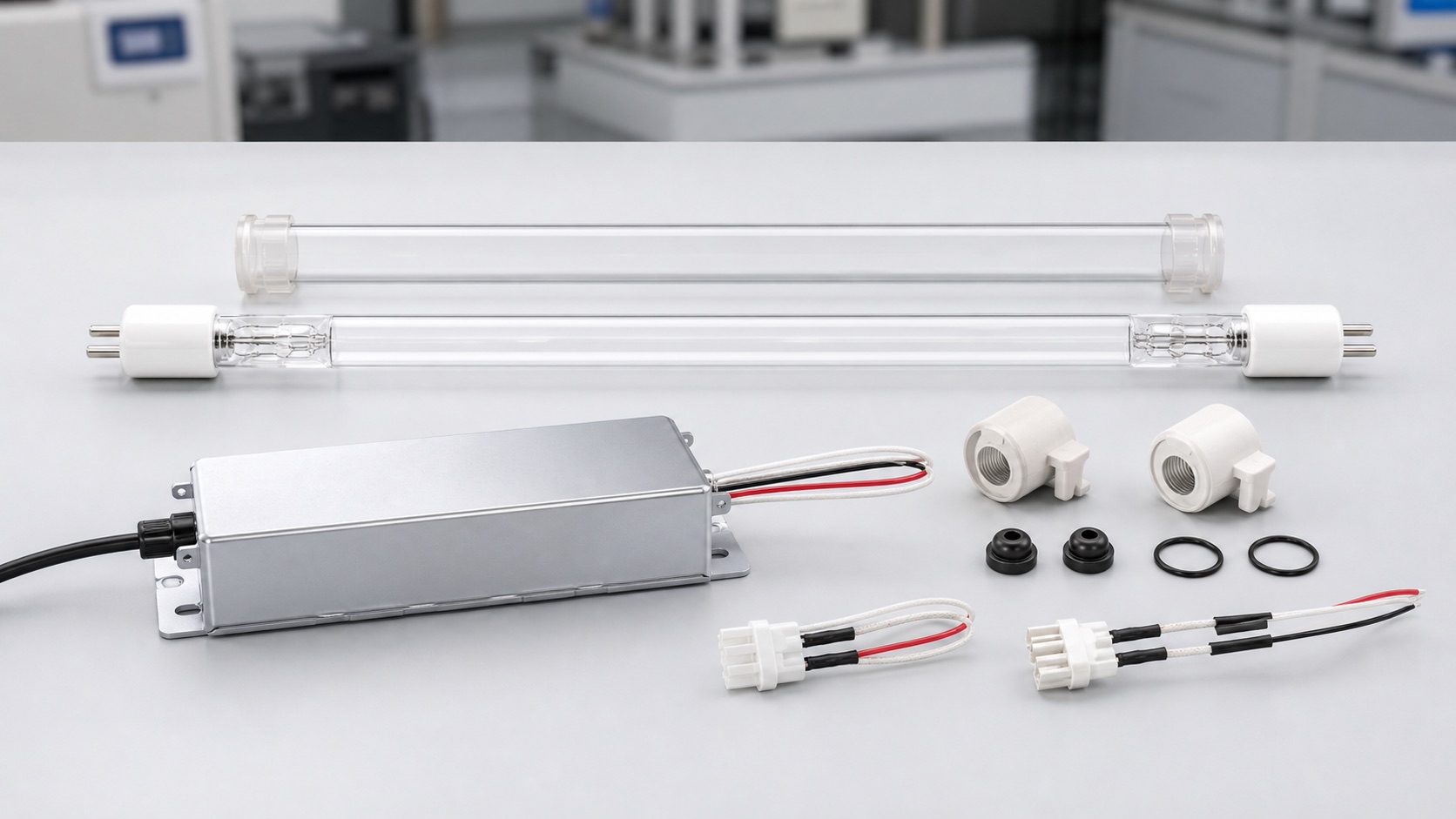
Amalgam UV lamps must be matched with the correct power supply. The wrong ballast may cause unstable ignition, short lamp life, overheating or insufficient UV output. Buyers should confirm input voltage, lamp wattage, lamp current and wiring method before selecting a UV electronic ballast.
For OEM equipment, the ballast should also be reviewed together with the cabinet space, cooling design and cable routing.
Common Applications
Amalgam UV lamps are widely used in water treatment systems, including drinking water sterilizers, process water systems, wastewater polishing, aquaculture circulation systems, swimming pool equipment and food or beverage production lines. Buyers can review BIOSUN’s UV lamp solution page to match lamp type with different disinfection applications.
Maintenance and Spare Parts Planning
A reliable UV system is not only about the lamp. Buyers should also prepare spare quartz sleeves, O-rings, lamp holders, cables and other UV lamp accessories. Regular inspection helps avoid lamp failure, sleeve fouling and unexpected shutdowns.
Documents and Project Support
For export projects, buyers may need product specifications, test reports or compliance documents. BIOSUN keeps related records on the certificate page and can provide additional files during project communication. For custom lamp sizes, OEM structures or replacement matching, buyers can use the service page or send project details through contact us.
FAQ
Are amalgam UV lamps better than standard UVC lamps?
Not always. Amalgam UV lamps are better for high-output systems, but standard UVC lamps are still suitable for many compact or low-flow systems.
Can BIOSUN match an old amalgam lamp model?
Yes. Send the old lamp model, length, tube diameter, base photos, wattage and ballast information for matching.
Do amalgam lamps need special ballasts?
Yes. They must be matched with compatible electronic ballasts designed for the lamp wattage and operating current.
Need a UV lamp quotation?
Send your model list to Baiousen and we will review the lamp matching details by email.
Send Inquiry